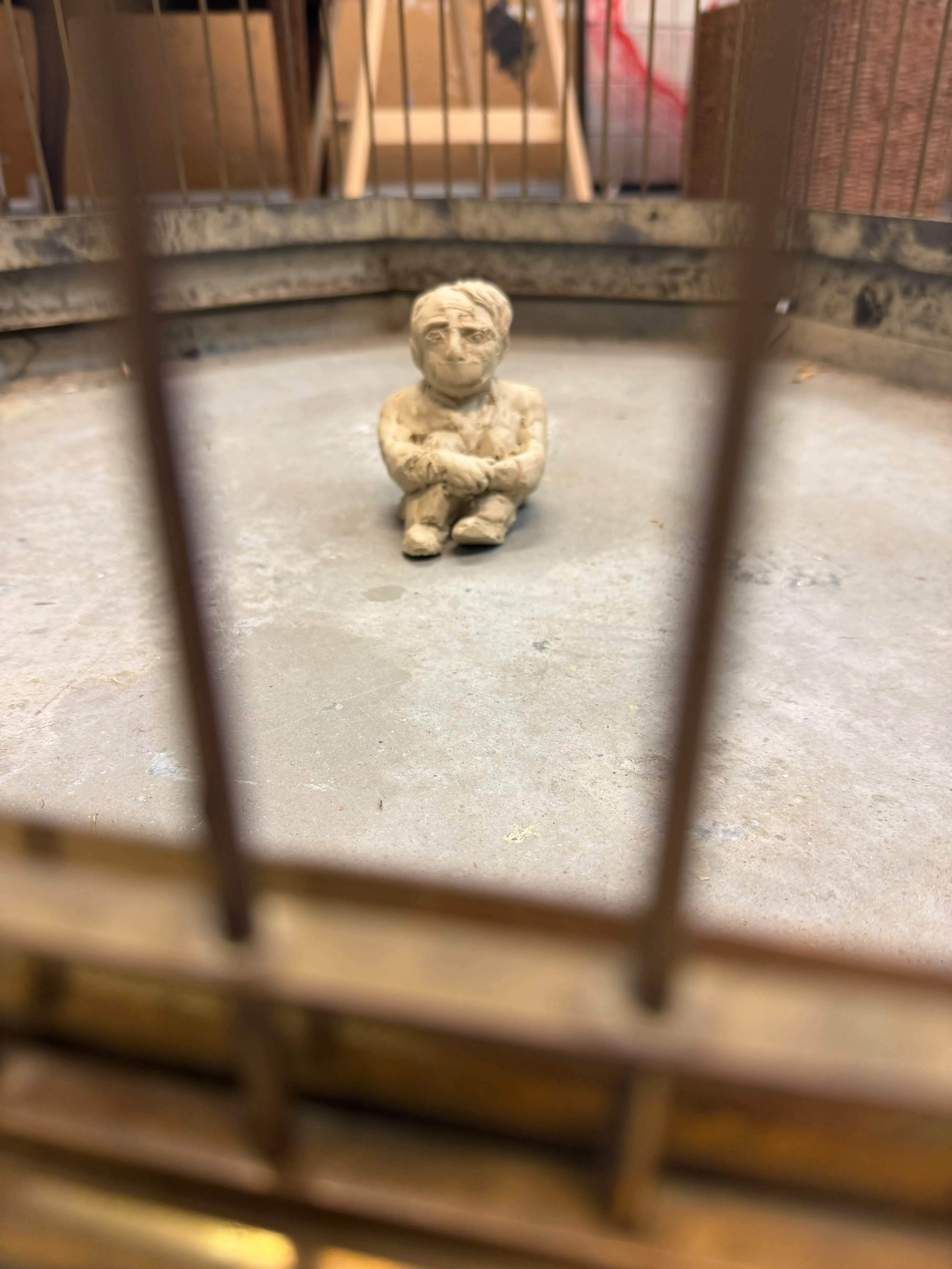
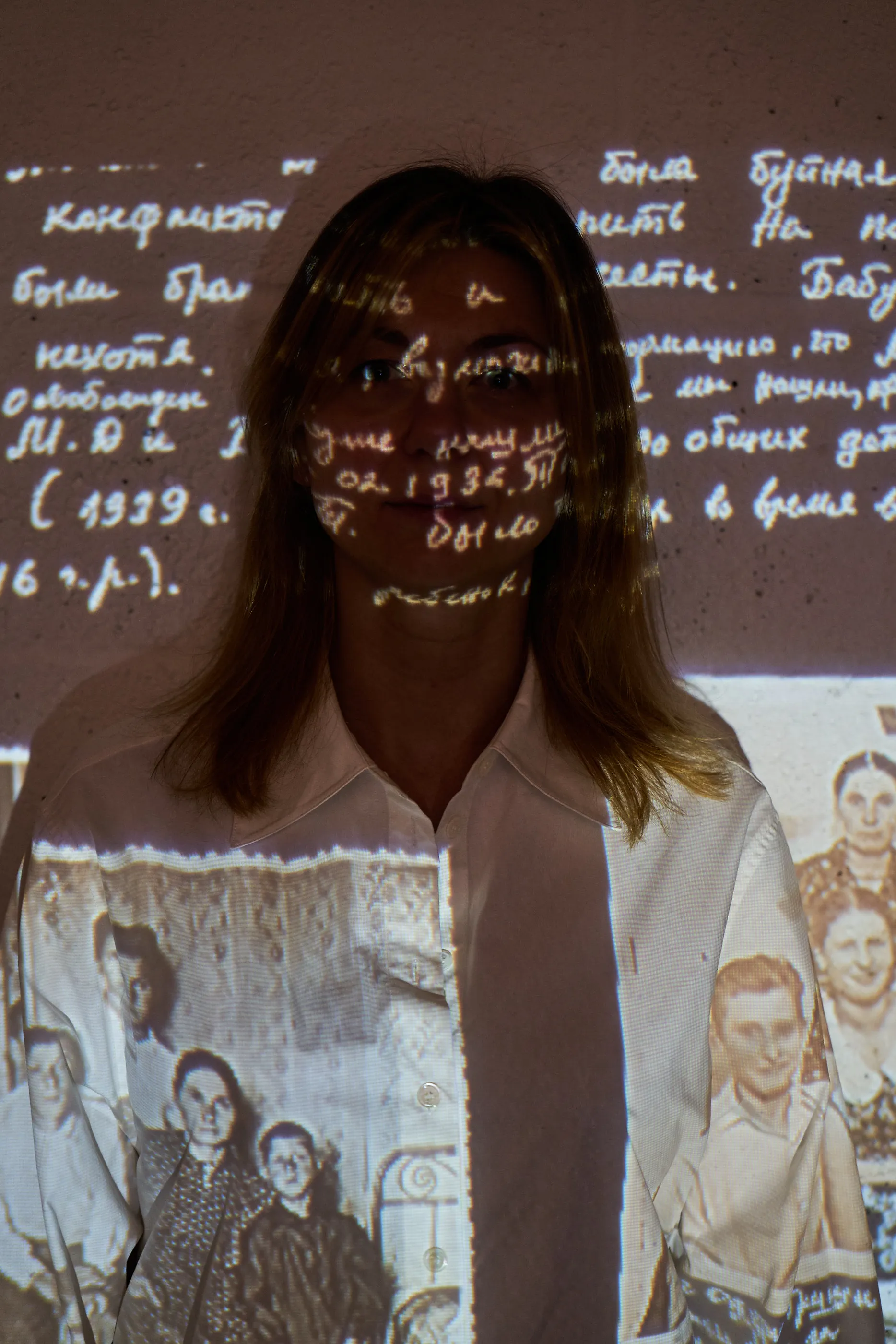
All the words and faces I contain
2026
Poetry
Art
Translation
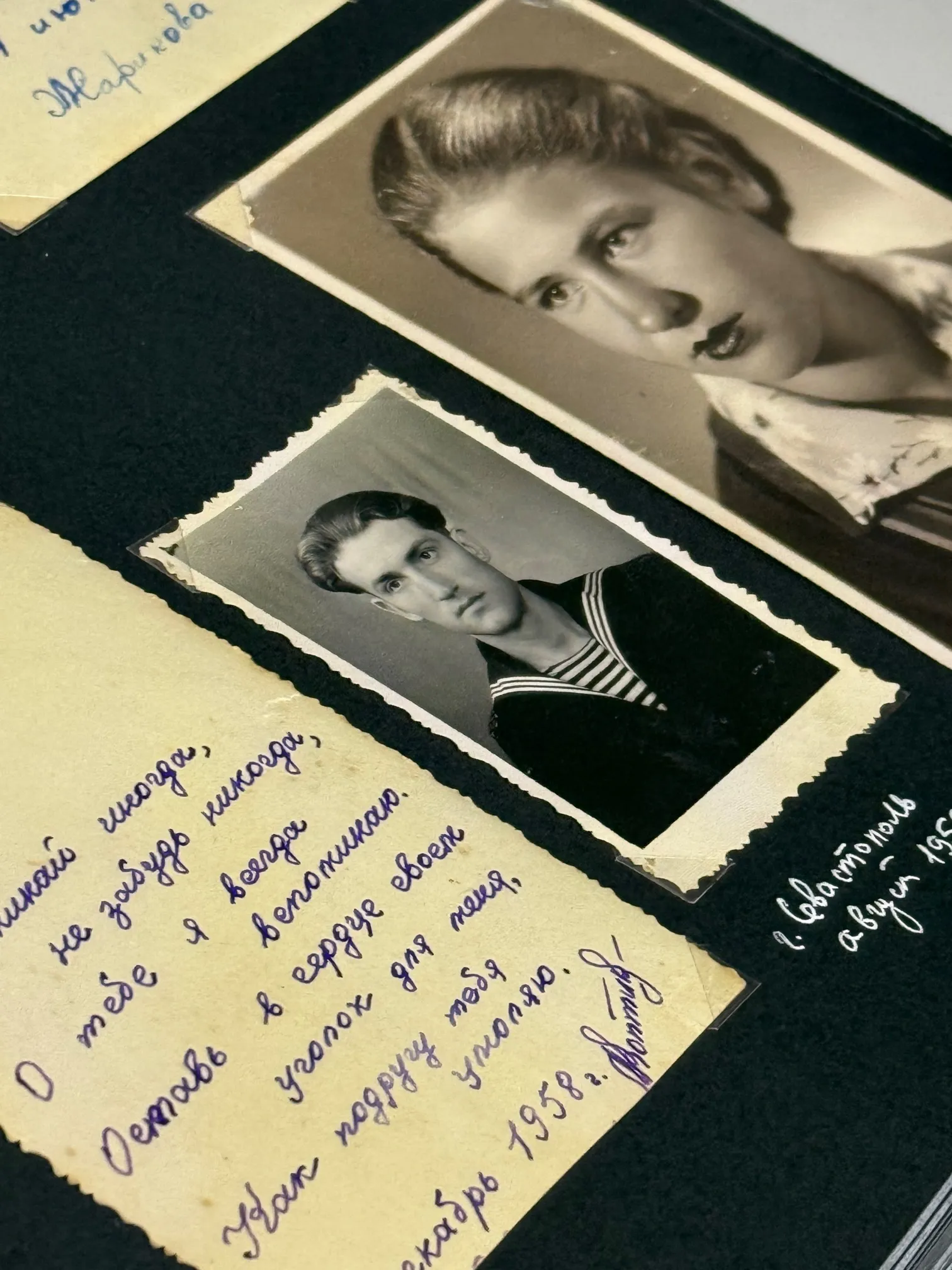
In 2020, amid Covid and nation-wide protests in Belarus, I stumbled into old family files that my mother kept in a shoebox. They were our ‘inheritance.’ Now that all the grandparents were gone, the box contained what was left of their memories. I bought a pretty album and started completing it with my parents, organizing the pictures and recording the stories that my parents remembered. The more I learned in that exercise, the more questions I had. How did my grandparents end up in Siberia? Was it really the war that made my poetry-writing grandfather an orphan? Who was my other grandfather: an artist who died young, yes, but what else?
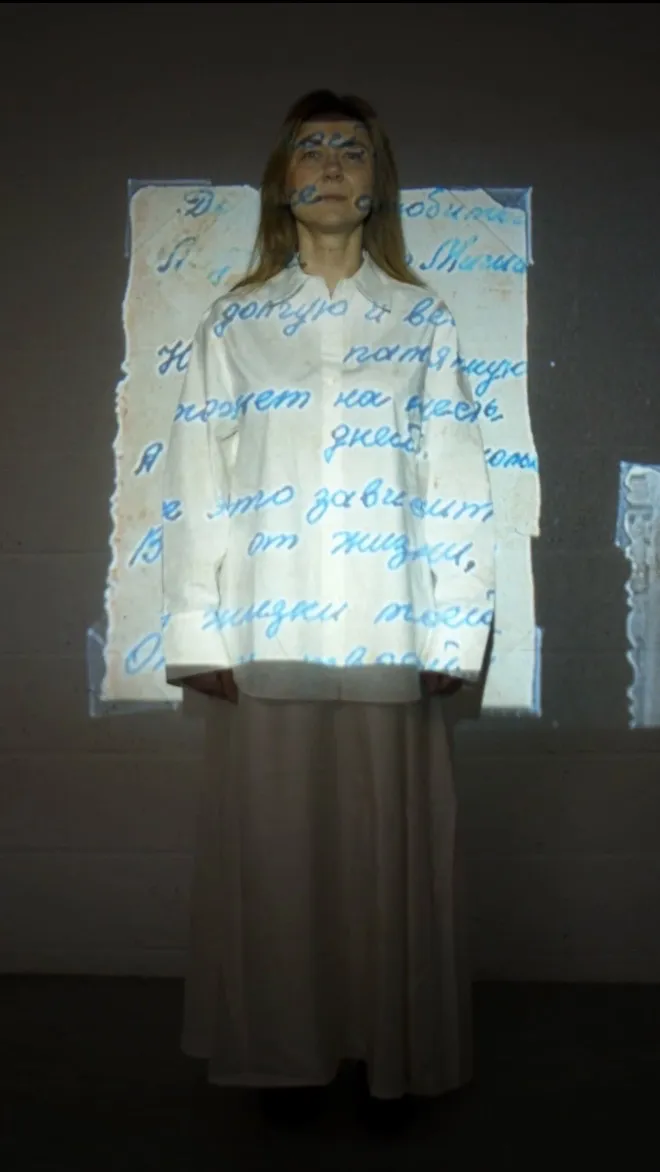
There won't be any poets in your generation," a famous Belarusian author said to my grandfather. "Because you are children of war."
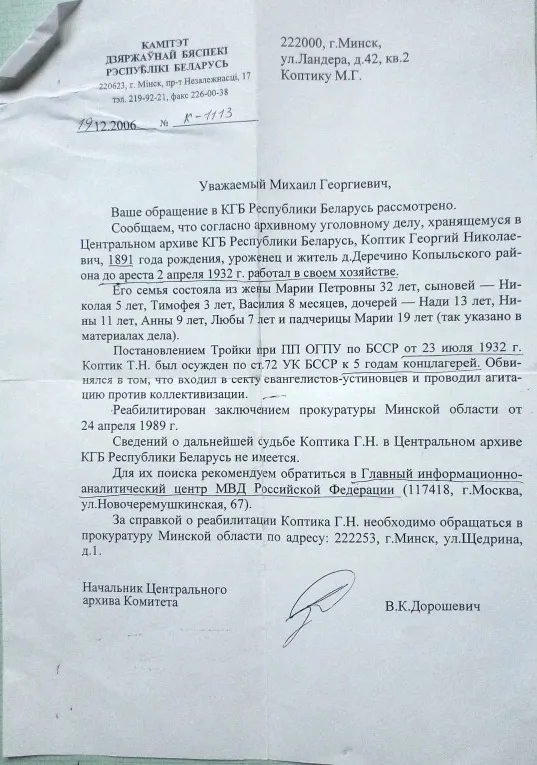
It was only recently that I started questioning which war exactly he had ment. The archives show that my grandfather's father was executed.
Next project
beware of a dictator